Construction Site Security Checklist: How to Protect Your Building Project from Theft and Vandalism
11 months ago - 4 min read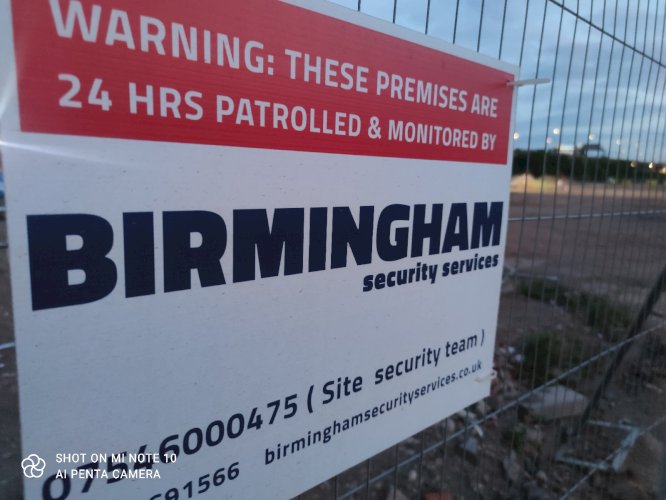
Construction sites are high-risk environments that require strong, proactive security measures. With expensive equipment, vehicles, tools, and materials often left on-site, these areas are a prime target for theft, vandalism, and trespassing. Without proper protection, one incident can result in major project delays and financial losses.
That’s why construction site security should never be an afterthought. Effective planning not only safeguards valuable assets but also ensures worker safety and helps keep your project on schedule.
In this guide, we’ll share a complete construction site security checklist to help you protect your site from every possible risk.
Construction Site Security Checklist
Here’s an overview of the essential security measures every construction site should implement:
- Risk Assessment
- Video Surveillance (CCTV Systems)
- Alarms and Intrusion Detection
- Perimeter Security
- Security Lighting
- Security Personnel
- Access Control and Key Management
- Emergency Planning and Contact Information
- Security Policy and Training
Let’s explore each element in more detail.
1. Risk Assessment
Start by conducting a comprehensive risk assessment of your construction site. Identify potential vulnerabilities such as open access points, poor lighting, and unmonitored storage areas.
Estimate the total value of on-site assets including vehicles, equipment, and materials. Speak with local authorities or nearby businesses to learn about crime risks in the area. The goal is to create a tailored construction site security plan that addresses your project’s specific threats.
2. Video Surveillance
CCTV is one of the most effective and cost-efficient ways to secure a construction site. High-definition construction site security cameras provide 24/7 monitoring, deter intruders, and record vital evidence in the event of an incident.
Install fixed and mobile CCTV units across key areas such as:
- Entry and exit points
- Storage areas and tool sheds
- Equipment zones
- Site perimeters
Modern surveillance systems allow remote access via mobile apps, so you can monitor your site anytime, anywhere.
3. Alarms and Intrusion Detection
Combine CCTV with alarm and intrusion detection systems for a robust security setup. These systems detect and alert you to unauthorised access or suspicious movement in real-time.
Recommended sensors include:
- Motion detectors
- Infrared sensors
- Door and window contact sensors
- Glass-break detectors
- Microwave or ultrasonic sensors
Integrate alarms with your central monitoring system or connect them to local authorities for a rapid response in case of a security breach.
4. Perimeter Security
Your perimeter is the first line of defence. Invest in strong fencing and barriers made from durable, weather-resistant materials. Popular options for building site security include:
- Anti-climb fencing
- Chain-link fencing topped with barbed wire
- Mesh or Heras fencing
- Steel or timber hoarding
- Plastic safety barriers
Proper perimeter security makes it harder for trespassers to enter the site undetected.
5. Security Lighting
Adequate lighting deters intruders and improves on-site safety after dark. Install motion-activated floodlights along perimeters, access points, and storage zones. Well-lit areas signal that your site is monitored and secure.
6. Security Personnel
Trained construction site security guards provide an active, visible presence that CCTV and alarms alone can’t replace. Professional guards can monitor entry points, perform patrols, and respond to alarms or suspicious activity immediately.
Always choose SIA-licensed security guards who are trained and vetted under BS7858 standards for complete reliability and trust.
7. Access Control and Key Management
Limit access to authorised personnel only. Implement ID badges, key cards, or biometric systems to manage entry and exit. Update passwords or access codes regularly, and maintain strict key management procedures to prevent unauthorised access to restricted areas.
8. Emergency Contact Information and Planning
Emergencies can occur without warning. Every worker and security officer on-site should know exactly what to do in case of an incident.
Prepare emergency procedures for:
- Fires and explosions
- Structural collapses
- Medical emergencies
- Equipment malfunctions
- Hazardous material exposure
- Natural disasters
Conduct regular drills and safety training sessions so everyone is ready to respond calmly and efficiently.
9. Security Policy and Staff Training
A well-documented construction site security policy is vital. It outlines responsibilities, access rules, reporting procedures, and emergency protocols. Once your policy is in place, conduct regular training sessions to keep your security staff and workers up to date.
Training improves awareness, reduces risks, and helps maintain a proactive security culture across your site.
Why Building Site Security Is So Important
A secure construction site is not only safer but also more efficient. Proper security prevents theft, reduces downtime, and helps maintain compliance with safety regulations.
Strong security planning also protects your company’s reputation by ensuring projects are completed on time and within budget. When everyone feels safe and confident, productivity increases and focus stays on delivering results.
Construction Site Security Services You Can Trust
Construction Site Security (CSS) is a leading provider of tailored construction security services across the UK. We don’t offer one-size-fits-all packages. Instead, our experts visit your site, assess risks, liaise with local authorities, and design a customised protection plan based on your project’s unique requirements.
All CSS security guards are SIA-licensed, fully vetted, and trained to handle emergency situations professionally. We also provide continuous training to ensure our team remains alert, responsive, and compliant with the latest security standards.
Whether you need temporary or long-term site protection, CSS provides reliable 24/7 coverage so you can focus on completing your project safely and on time.
Protect Your Construction Site Today
Don’t let security risks delay your project or impact your budget. Contact CSS today for a free consultation and discover how our bespoke construction site security solutions can safeguard your assets, workers, and deadlines.